CPR Awareness &
Emergency Readiness
Learn how to save a life with proper CPR techniques. Every second counts when someone's heart stops beating.

Why CPR Matters
Cardiopulmonary Resuscitation (CPR) is a lifesaving technique that can double or triple a person's chance of survival after cardiac arrest.
Every Minute Counts
Brain damage can occur within 4-6 minutes without oxygen. Immediate CPR keeps blood flowing to vital organs.
Bystander Effect
About 70% of cardiac arrests happen at home. Your actions could save a family member's life.
Public Access Defibrillators
AEDs in public places make it easier for anyone to help in an emergency.
CPR Steps: How to Save a Life
Follow these simple steps to perform CPR. Remember: Push hard, push fast, and don't stop.
Check Responsiveness
Tap the person's shoulder and shout "Are you OK?" If no response, check for breathing.
Call for Help
Call emergency services (1068) or ask someone to call while you begin CPR.
Chest Compressions
Place hands in center of chest, push hard and fast at 100-120 compressions per minute.
Rescue Breaths
Give 2 rescue breaths after 30 compressions, watching for chest rise.
Use AED
If available, use an Automated External Defibrillator (AED) as soon as possible.
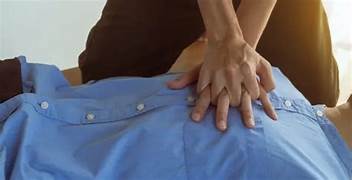
Correct hand placement for chest compressions
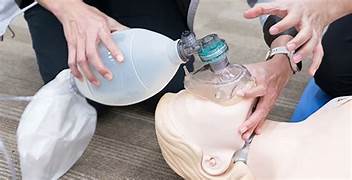
Give rescue breaths - tilt head, lift chin, seal mouth
Rescue Breaths Technique
- Open airway by tilting head and lifting chin
- Pinch nose and seal mouth with yours
- Give 2 breaths (1 second each) watching for chest rise
- Continue with 30 compressions followed by 2 breaths
Using an AED
An Automated External Defibrillator (AED) can restart a heart during sudden cardiac arrest.
- 1.Turn on AED and follow voice prompts
- 2.Attach pads to bare chest as shown
- 3.Ensure no one touches person while analyzing
- 4.Press shock button if advised, then resume CPR
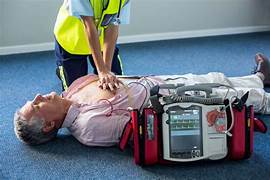
AED pads placement: Upper right chest, lower left side
Training Videos
Watch these instructional videos to learn proper CPR techniques
Hands-Only CPR
Learn the basics of hands-only CPR for adults
CPR with Rescue Breaths
Complete CPR technique including rescue breaths
How to Use an AED
Step-by-step guide to using an Automated External Defibrillator
Get CPR Certified
Join our CPR certification course and become a certified lifesaver. Learn from experienced instructors and get hands-on training.
Frequently Asked Questions
When should I perform CPR?
Perform CPR when someone is unresponsive and not breathing or only gasping.
Should I do CPR if I'm not trained?
Yes! Hands-only CPR (chest compressions only) is better than no CPR at all.
How long should I continue CPR?
Continue until the person starts breathing, medical help arrives, or you become exhausted.
Can I hurt someone with CPR?
Rib fractures can occur, but it's better than allowing someone to die without trying.